
HPV and nutrition: support for your immune system
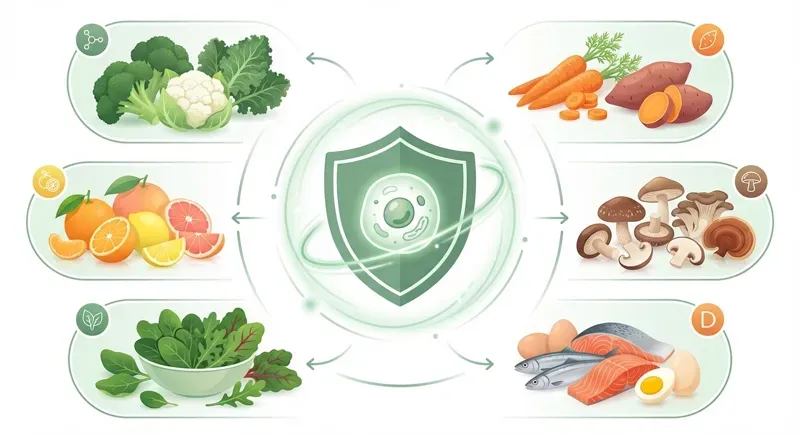
Nutrition can be supportive for the immune system, which plays a role in how your body deals with HPV. Certain nutrients support your immune system, play a role in DNA repair, and influence estrogen metabolism, all factors that play a part in HPV.
The power of vegetables
Cruciferous vegetables are not only colorful and versatile in the kitchen, they offer a wealth of nutrients. They are rich in fiber, calcium, iron, vitamins A and C, and contain glucosinolates, which explain their sharp, bitter taste and act as a natural pesticide. Well-known examples include broccoli, cauliflower, white cabbage, red cabbage, Brussels sprouts, kale, bok choy, Chinese cabbage, radishes, watercress, arugula, kohlrabi, rutabaga, and mustard greens. It is important to consume cruciferous vegetables. Through the OligoScan, we regularly measure a sulfur deficiency in cells. Sulfur is essential for the formation of proteins in your body. Sulfur plays a role in a normally functioning immune system.
How many cruciferous vegetables do you need?
Try to eat at least 200 grams of cruciferous vegetables daily. Vary between broccoli, cauliflower, kale, Brussels sprouts, bok choy, and cabbage. Raw or briefly steamed, they retain most of their active substances. If a sulfur deficiency is detected, targeted supplements can be used in addition to dietary adjustments.
of the population has an MTHFR mutation. In this group, synthetic folic acid may be converted less efficiently, so the active form methylfolate is often preferred.
Essential nutrients for HPV
Various nutrients can support the immune system, which plays a role in how your body deals with HPV.
Nutrients and their role in HPV
| Nutrient | Function in HPV | Sources | Points of attention |
|---|---|---|---|
| Folic acid | Essential for DNA repair and cell division | Green leafy vegetables, legumes, liver | With MTHFR mutation: use methylfolate |
| Vitamin B12 | Works with folic acid during DNA synthesis | Meat, fish, eggs, dairy | Deficiency is an additional risk for smokers |
| Vitamin C | Antioxidant, supports immune cells | Citrus fruits, bell peppers, kiwi, berries | 2x 1000mg/day as a supplement possible |
| Zinc | Essential for T-cell function and immune response | Pumpkin seeds, nuts, meat, shellfish | Supplementation in consultation |
| Selenium | Supports antioxidant function and defense | Fish, whole grains, eggs | Supplementation in consultation |
| Beta-carotene | Protects cells from oxidative damage | Carrots, sweet potatoes, spinach | From food, not as a high-dose supplement |
Folic acid: special attention needed
Folic acid deserves extra attention. It is essential for DNA repair, but in approximately 45% of the population there is an MTHFR mutation. With this genetic variant, synthetic folic acid may be converted less efficiently into the active form, so methylfolate is often preferred. Its effect on the immune system is still being researched.
The solution is simple: in that case, use methylfolate (5-MTHF) instead of regular folic acid. A genetic test can determine if you have an MTHFR mutation.
Glutathione: your most important antioxidant
Glutathione is the most important antioxidant in your body. It protects cells from oxidative stress and supports detoxification. Glutathione is produced by your body itself, but production can fall short during chronic stress, smoking, or poor nutrition. Nutrients that support glutathione production include selenium, vitamin C, and N-acetylcysteine (NAC).
Foods you'd better avoid
Not only what you eat, but also what you do not eat is important for HPV. Certain dietary patterns can weaken the immune system or increase inflammatory processes.
- Refined sugars: Sugar temporarily suppresses white blood cell activity. Limit sugary drinks, sweets, pastries, and products with added sugars.
- Processed meat: Products like sausage, ham, and bacon contain nitrates and nitrites that promote oxidative stress.
- Excessive alcohol: Alcohol burdens the liver (where estrogen is broken down) and reduces the absorption of folic acid and other B vitamins.
- Trans fats: Present in fried products and processed foods. Trans fats promote inflammatory processes.
- Large amounts of soy: Soy contains phytoestrogens that can influence estrogen metabolism. In normal amounts, soy is not problematic, but with HPV it is wise not to consume it excessively.
Practical nutrition plan for HPV
Daily nutritional tips
Breakfast: start with warm food
Preferably start the day with warm food. A warm breakfast has benefits for your body. It kickstarts the metabolism and helps with the stomach's nighttime cooling.
Lunch: focus on leafy greens and good fats
A large salad with dark leafy greens (folic acid), avocado, nuts, and seeds. Add chicken breast or fish for B12 and zinc.
Snack: fruit and nuts
Choose colorful fruits (berries, kiwi, papaya) for vitamin C and antioxidants. A handful of walnuts or pumpkin seeds for zinc and omega-3.
Dinner: cruciferous vegetables take center stage
Ensure at least 200 grams of broccoli, cauliflower, Brussels sprouts, or kale are on your plate. Combine with wild salmon or mackerel for omega-3 and vitamin D.
Avoid: sugar, alcohol, processed food
Limit added sugars and alcohol. Choose unprocessed, fresh food. Drink plenty of water and green tea (EGCG may have antiviral activity in laboratory research; the evidence in humans is limited).
Personal nutritional advice for HPV
Nutrition is important for your immune system. We can provide additional support here. For stomach and intestinal complaints, we consider a food intolerance test and a gut microbiome analysis to see which diet is best for your situation.
Schedule an intake interviewVeelgestelde vragen
Can I cure HPV by only adjusting my diet?
Should I start taking extra sulfur as a supplement?
How do I know if I have an MTHFR mutation?
Are nutritional supplements safe alongside regular treatments?
How soon can I expect results from nutritional changes?
Questions about your situation?
Feel free to get in touch for personal advice about your HPV diagnosis.
Contact us