
OligoScan: Measuring minerals and heavy metals at the cellular level
The OligoScan uses spectrophotometry to give an indication of the levels of vitamins, minerals, and toxic metals in your tissue, as a complement to (not a replacement for) regular blood testing.
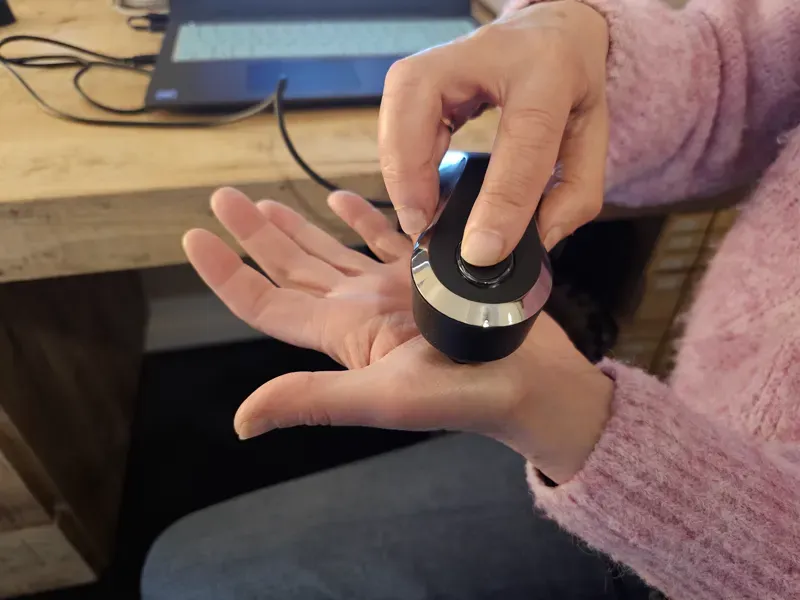
The OligoScan is an advanced measurement method based on spectrophotometry that provides direct insight into the levels of essential minerals, vitamins, and toxic metals at the cellular and tissue level. This is a significant difference compared to standard blood or urine tests, which only measure values in the blood.
Normal blood levels do not guarantee that minerals and vitamins are actually being absorbed into the cells. Take vitamin D as an example. It can be present in high levels in the blood, but it must bind to the vitamin D receptor (VDR) of nearly all cells to perform its active function within the cell. The body often regulates blood levels at the expense of tissue stores. The OligoScan aims to give an indication of values at the tissue level.
OligoScan primarily measures what is present in your cells. For a reliable measurement, it is important to know your blood type. The measurement takes this into account.
The OligoScan measures primarily intracellularly, meaning it measures at the cellular level. The scan can be repeated periodically to follow changes. If you measure again after 5 days, the results are almost identical. The body needs recovery time. We usually perform a follow-up Oligoscan after a period of 4 months.
How does the OligoScan work?
The measurement in 3 steps
Entering data
We enter your blood type, weight, and age. The OligoScan accounts for these personal factors for an accurate analysis.
Measurement via the palm
The scanner measures via spectrophotometry at 4 points on your hand. The entire measurement takes only about 1 minute.
Immediate results
The results are available immediately and will be discussed with you in detail. You will receive a clear, comprehensive report.
is how long the OligoScan measurement takes. Painless, non-invasive, and with immediate results. The measurement is performed via 4 points on your hand.
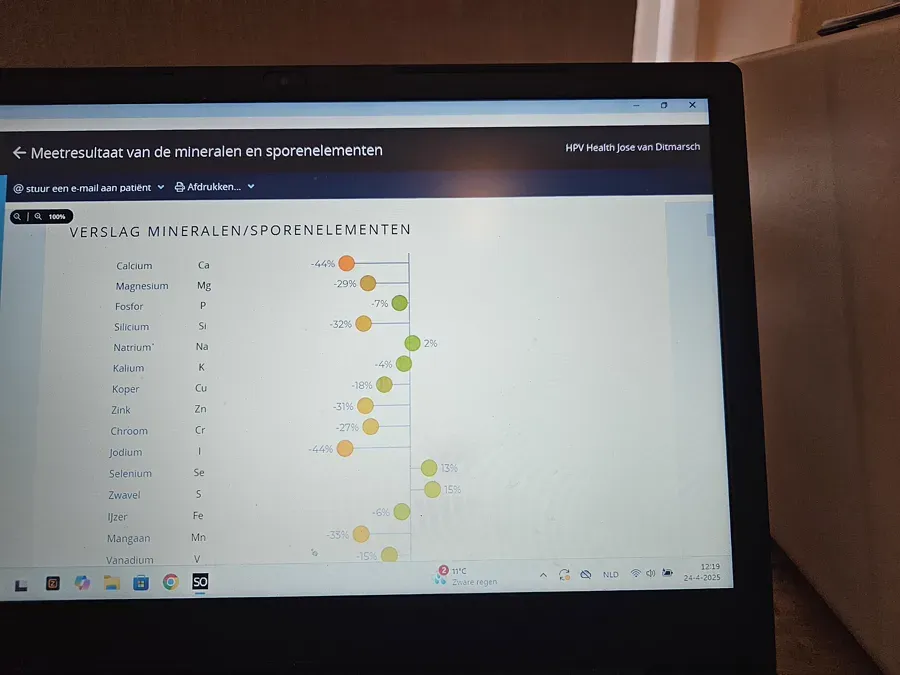
Example of an OligoScan report
After the measurement, you will receive a detailed report showing the values of all measured minerals, trace elements, and toxic metals. Here is an example of such a report:
What is measured?
20 essential minerals
The OligoScan measures the values of the most important minerals your body needs for optimal functioning:
| Mineral | Function |
|---|---|
| Magnesium | Muscle relaxation, energy production, nervous system |
| Zinc | Immune function, wound healing, hormonal balance |
| Selenium | Thyroid, antioxidant, immune system |
| Calcium | Bones, teeth, muscle contractions |
| Silicon | Connective tissue, skin, hair, nails |
| Iodine | Thyroid hormones, metabolism |
| Iron | Oxygen transport, energy production |
| Manganese | Bone formation, antioxidant, metabolism |
| Copper | Iron metabolism, connective tissue, nervous system |
In addition, 11 other essential minerals are measured for a complete overview of your mineral status.
14 toxic metals
The OligoScan also detects the presence of harmful heavy metals at the tissue level:
- Cadmium: from cigarette smoke, industrial pollution
- Lead: from old water pipes, paint, industry
- Mercury: from amalgam fillings, fish, industry
- Aluminum: from deodorant, cookware, food packaging
- Fluorine: from toothpaste, drinking water
- Bromine: from flame retardants, pesticides
Additionally, 8 other toxic metals are analyzed.
People come into contact with heavy metals in many ways, particularly through tobacco smoke, jewelry, dental materials, the workplace, nutrition, and environmental factors. The OligoScan gives additional insight into the degree of exposure. Based on this, we can look together at lifestyle and nutritional advice that may help reduce the load.
Oxidative stress
The OligoScan also measures the level of oxidative stress, the balance between free radicals and antioxidants in your body. High oxidative stress accelerates aging, damages cells, and weakens the immune system.
Why measure at the cellular level?
Standard blood tests measure the concentration of minerals and vitamins in the blood. However, this does not always reflect the actual absorption into your cells and tissues. The body regulates blood levels precisely, sometimes by drawing from reserves in bones, muscles, and organs.
This means your blood values can look normal while deficiencies exist at the cellular level. The OligoScan bridges this gap by measuring directly at the tissue level. This provides a more accurate picture of:
- Actual mineral stores in your tissues
- Degree of exposure to toxic metals
- The balance between antioxidants and free radicals
Cardicheck: additional cardiovascular measurement
In addition to the OligoScan, we offer the Cardicheck, an orientational measurement that gives an indication of a few cardiovascular parameters. The Cardicheck is not a replacement for cardiological examination. The measurement uses a pulse oximeter for 3 minutes and looks at the following parameters:
- Stress levels: how your autonomic nervous system responds
- Heart rhythm: regularity and variability
- Vessel flexibility: elasticity of your blood vessels
- Oxygen supply: saturation and peripheral circulation
Costs
| Examination | Rate | Includes |
|---|---|---|
| OligoScan | € 100 | Measurement of 20 minerals, 14 toxic metals, and oxidative stress |
| OligoScan + Cardicheck | € 150 | OligoScan combined with Cardicheck |
| Extensive consultation including OligoScan | € 150 | Location Gieterveen |
| OligoScan collection Huizen | € 100 | Collection by Kim, followed by analysis by Jose van Ditmarsch and a scheduled phone consultation |
Do you want to know what is happening in your cells?
The OligoScan provides a complete picture of your minerals, heavy metals, and oxidative stress in just 1 minute. Schedule an appointment for your measurement.
Schedule an OligoScanVeelgestelde vragen
Does the OligoScan hurt?
Does the OligoScan replace a blood test?
How often should I have an OligoScan done?
Do I need to prepare for the measurement?
What if high levels of heavy metals are found?
Questions about your situation?
Feel free to get in touch for personal advice about your HPV diagnosis.
Contact us