
Low Level Laser Therapy (LLLT) for HPV
LLLT is a gentle, cold vaginal laser therapy aimed at supporting local tissue recovery at a cellular level. Non-invasive and usually well tolerated.
What is Low Level Laser Therapy?
Low Level Laser Therapy (LLLT) is a non-invasive treatment that uses cold laser energy. Unlike surgical lasers that burn tissue away, LLLT works based on the principles of photodynamic therapy in combination with light activation. The laser stimulates biological processes at a cellular level without damaging the tissue.
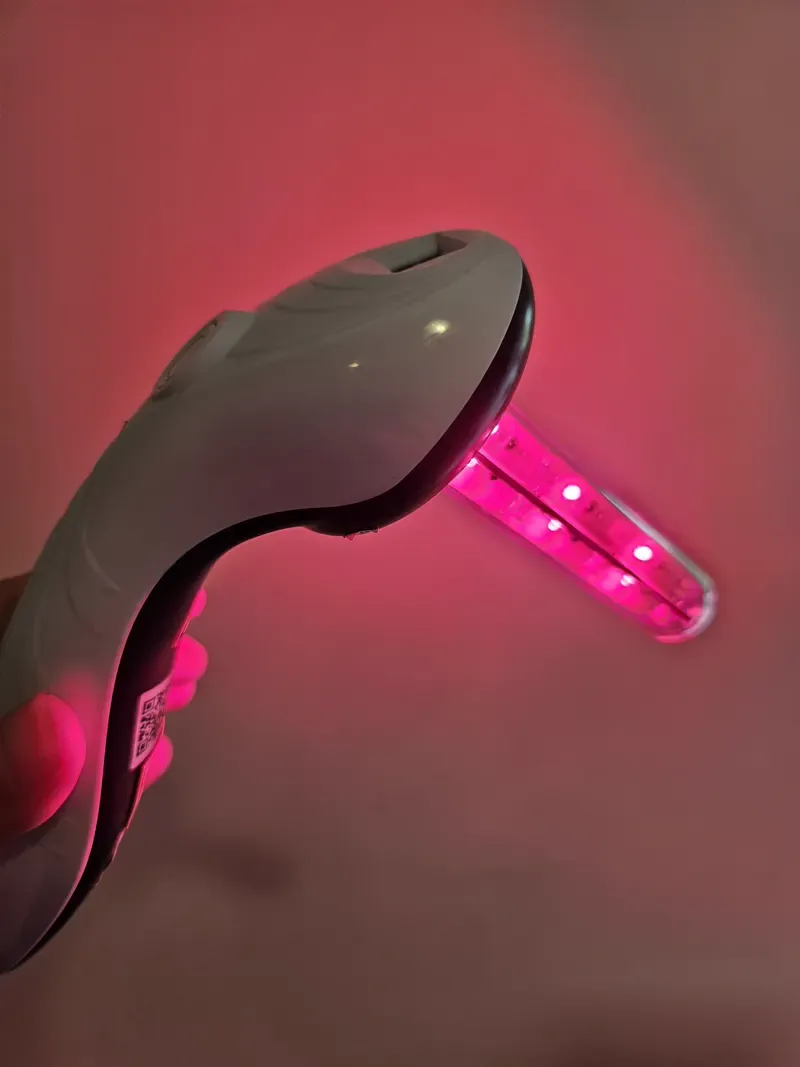
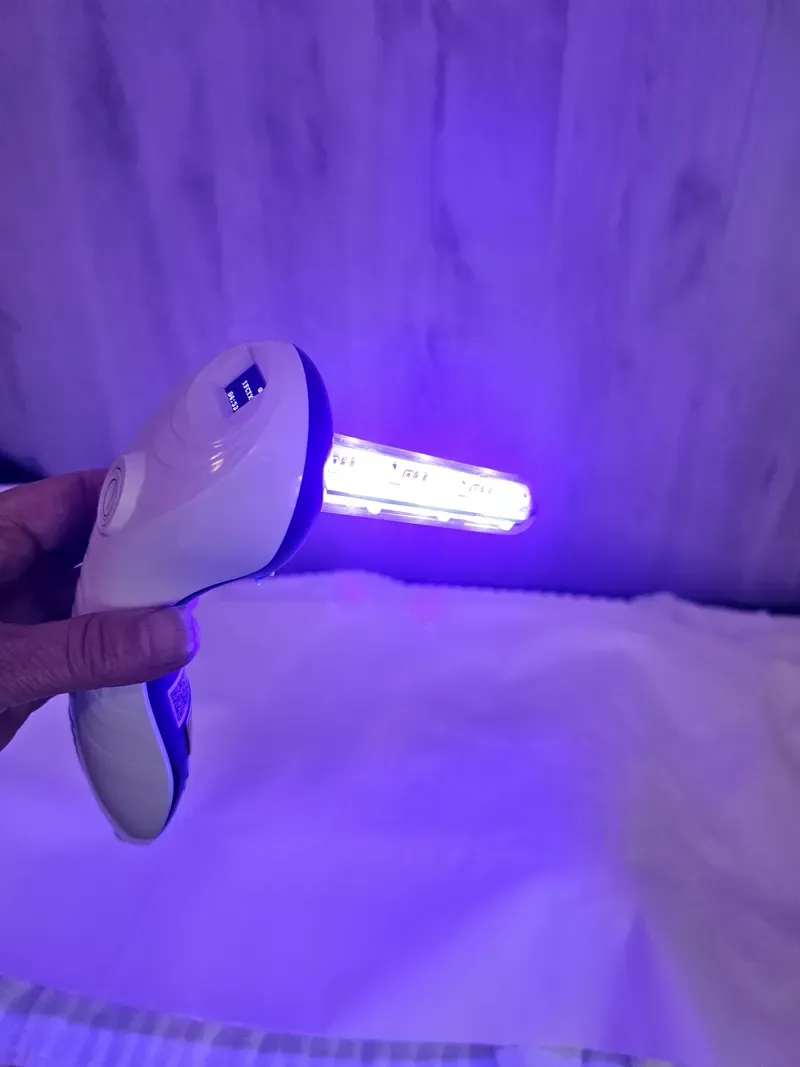
At HPV Health, we use a gentle cold vaginal laser, also known as an endovaginal biophoton emitter. This is specifically used in the treatment of HPV and abnormal cells on the cervix. The goal is twofold:
- Support the local tissue: The laser energy is directed at the treatment area, with the aim of supporting the local tissue and the natural defenses.
- Support natural recovery processes: The laser is aimed at supporting cellular recovery, blood circulation, and the local immune system.
Benefits of LLLT
LLLT differs from standard treatments in that it is non-invasive and usually well tolerated. The main characteristics:
LLLT compared to standard treatments
| Feature | LLLT | LEEP procedure | Imiquimod |
|---|---|---|---|
| Tissue destruction | Usually none | Yes, tissue is cut away | No |
| Scar tissue | Usually none | Yes | Usually none |
| Thermal damage | Usually none | Possible | Not applicable |
| Side effects | Usually no burns or redness | Blood loss, pain, risk of premature birth | Fatigue, nausea, irritation |
| Treatment duration | 2-4 months | One-time procedure | 3-4 months |
| Painful | Usually not | Yes (anesthesia required) | Local irritation possible |
The most important characteristic: there is usually no tissue destruction and the treatment is non-invasive and usually well tolerated. This can make LLLT interesting for women who wish to avoid a surgical procedure.
How does the treatment work?
The LLLT treatment process
Intake and diagnostics
During the initial consultation, we discuss your diagnosis, HPV type, and any cell abnormalities. We determine the viral load through laboratory testing to establish a baseline measurement.
Treatment sessions preferably 2 times per week
The LLLT treatment is performed in sessions, preferably twice a week. The cold vaginal laser is carefully positioned to optimally reach the treatment area. The sessions are usually well tolerated.
Treatment period: 2-4 months
The total trajectory lasts 2 to 4 months, depending on the severity of the situation and the response to the treatment. During this period, the effect is evaluated regularly.
Monitoring via viral load
The course of the treatment is followed via HPV viral load laboratory tests. This allows us to objectively monitor how the viral load develops.
Evaluation and follow-up
At the end of the trajectory, we evaluate the results. If necessary, the treatment can be continued or combined with other treatments such as escharotic treatment and further investigations into the immune system.
is the duration of an LLLT treatment trajectory, with sessions preferably twice a week. The effect is objectively monitored through HPV viral load laboratory tests.
Recovery at cellular level
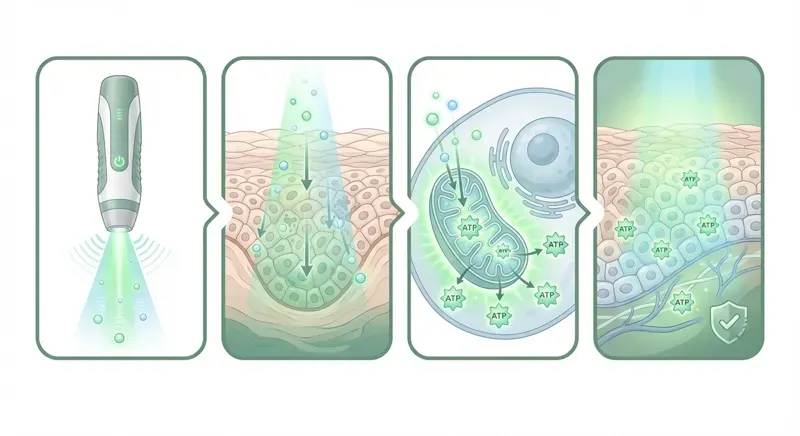
LLLT works at the level of the individual cell. The cold laser energy penetrates the tissue and stimulates recovery at a cellular level. This process, also known as photobiomodulation, activates various biological mechanisms:
- Improvement of mitochondrial function: The mitochondria (the cell's power plants) are stimulated, giving cells more energy for repair processes.
- Support of the local immune system: The laser is aimed at supporting the activity of immune cells in the treated area.
- Improved blood circulation: Better circulation ensures a greater supply of nutrients and immune cells to the treatment area.
- Accelerated tissue repair: Natural healing processes are promoted, allowing damaged tissue to recover faster.
Who is LLLT suitable for?
At HPV Health, LLLT is used as part of a treatment plan for:
- HPV-positive women with CIN 1 or CIN 2: For mild to moderate cellular abnormalities, LLLT can be used in a complementary way to support local tissue recovery, alongside regular monitoring.
- Women who want to avoid a LEEP procedure: A non-invasive alternative without scar tissue.
- In combination with escharotic treatment: As a supplement to support the recovery process.
- Women wishing to conceive: No tissue is removed, unlike procedures where tissue is taken away.
For CIN 3, standard medical treatment is usually necessary. In those cases, LLLT can be used as supportive care. The treatment is performed at two locations: Huizen (Gooi) and Gieterveen (Drenthe).
LLLT as part of your treatment plan
At HPV Health, LLLT is always used as part of a personalized treatment plan. During the intake consultation, we will discuss whether LLLT is suitable for your situation and how we can combine it with other treatments.
Schedule an intake consultationVeelgestelde vragen
Is LLLT painful?
How many sessions are needed?
Can LLLT be combined with other treatments?
Are there any side effects?
Is LLLT reimbursed by insurance?
Questions about your situation?
Feel free to get in touch for personal advice about your HPV diagnosis.
Contact us